
AI is both a field of study and a powerful tool that influences how Cornell advances education, conducts research, supports the university, and serves its land‑grant mission to benefit the public good.
Why Cornell
Cornell strives to serve as a model of responsible, future‑focused leadership in higher education and beyond through careful experimentation and evidence-based practices.
Cornell empowers innovation by faculty, students, and staff creating an environment where new ideas can emerge, be tested, and grow into transformative advances in AI research, application, and understanding.
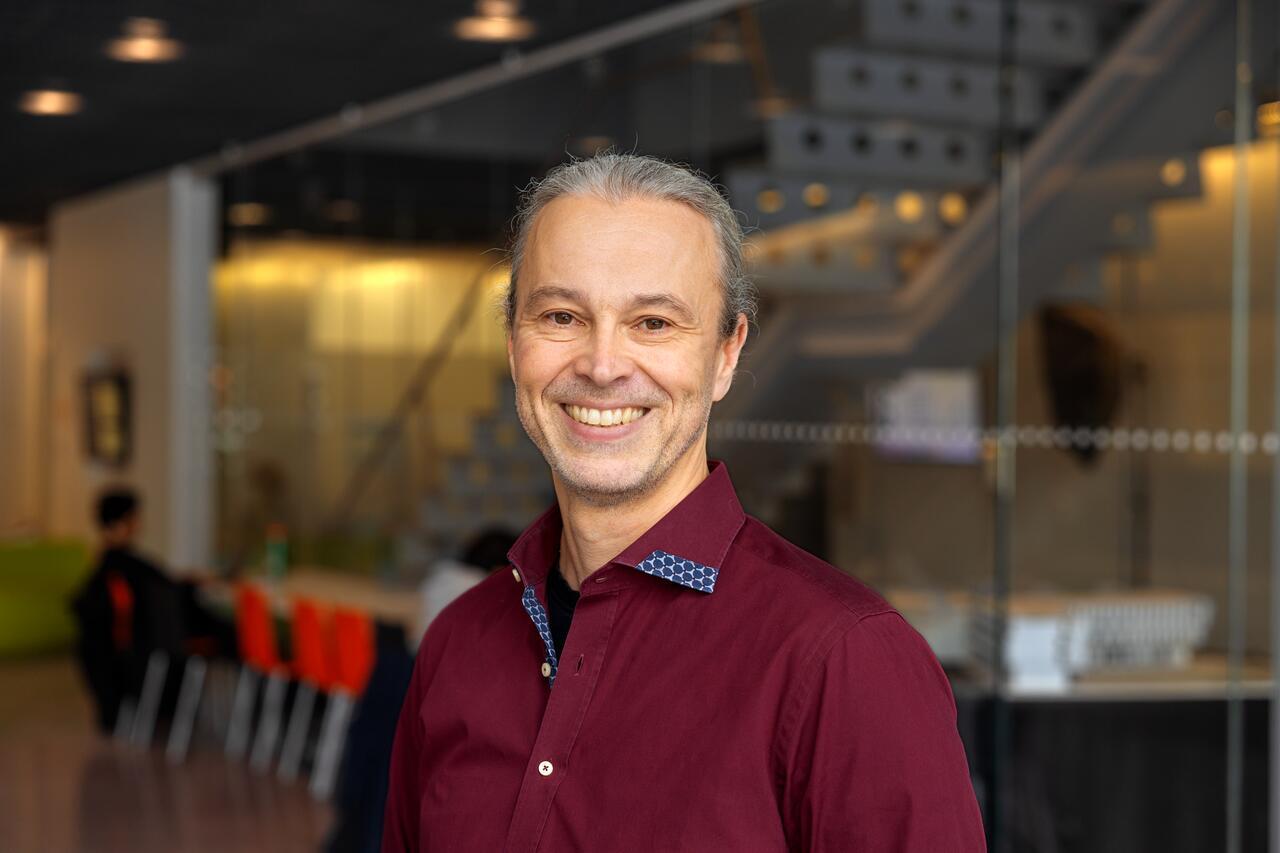
Thorsten Joachims
Vice Provost for AI Strategy, Professor
“What makes Cornell distinctive is the breadth of expertise we bring to AI. We have computing researchers developing foundational algorithms, social scientists examining AI's impact on organizations and society, humanists exploring ethics and creativity, and policymakers and lawyers shaping governance. Across the university, domain experts ranging from materials scientists to physicians to education researchers are applying AI to advance discovery and tackle complex problems. That range is one of Cornell's greatest strengths. By bringing these perspectives together, we have a unique opportunity to shape not just the technology itself, but how it is responsibly used.”
AI Strategy Council
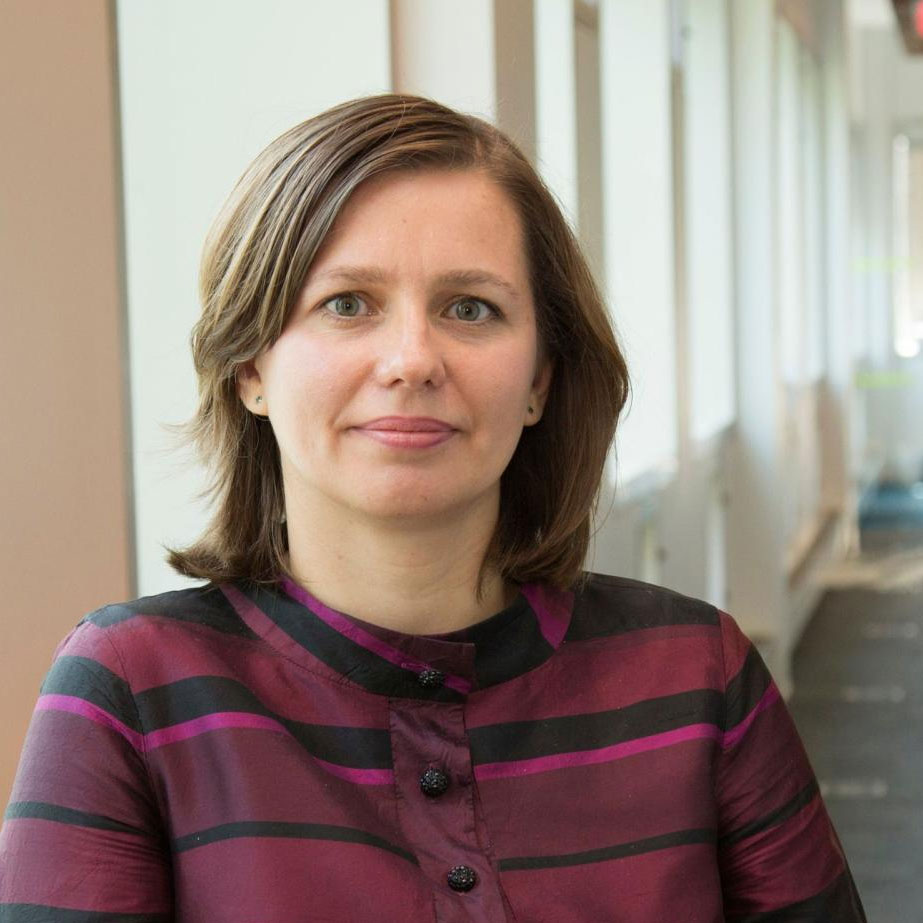
Natalie Bazarova
Professor and Associate Vice Provost for Research, Cornell University
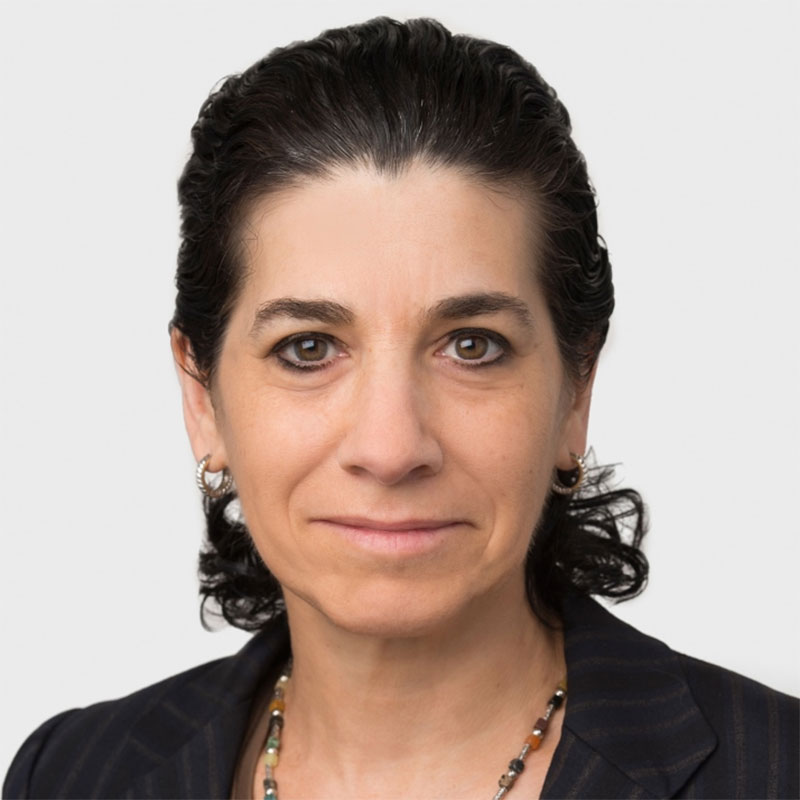
Deborah Estrin
Professor and Associate Dean for Impact at Cornell Tech
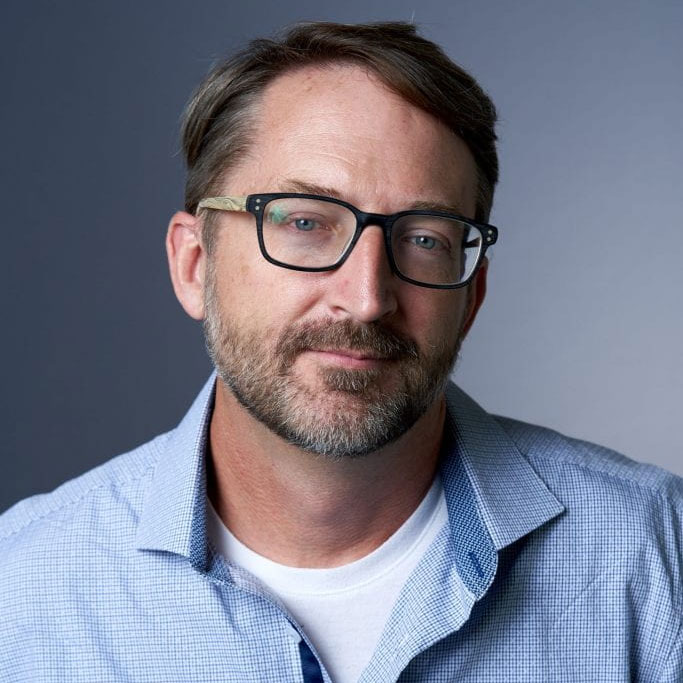
Steve Jackson
Education, Sustainable Computing Workgroup
Professor and Vice Provost for Academic Innovation, Cornell University

Ben Maddox
Chief Information Officer, Cornell University
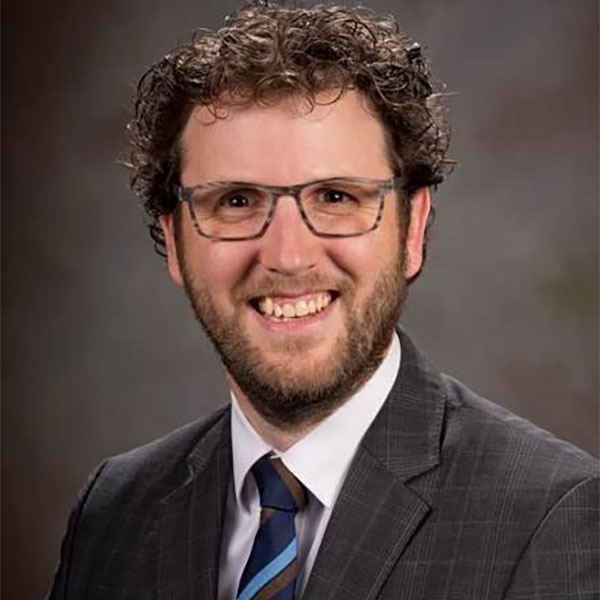
Michael Moyer
Associate Vice President of Principal Gifts
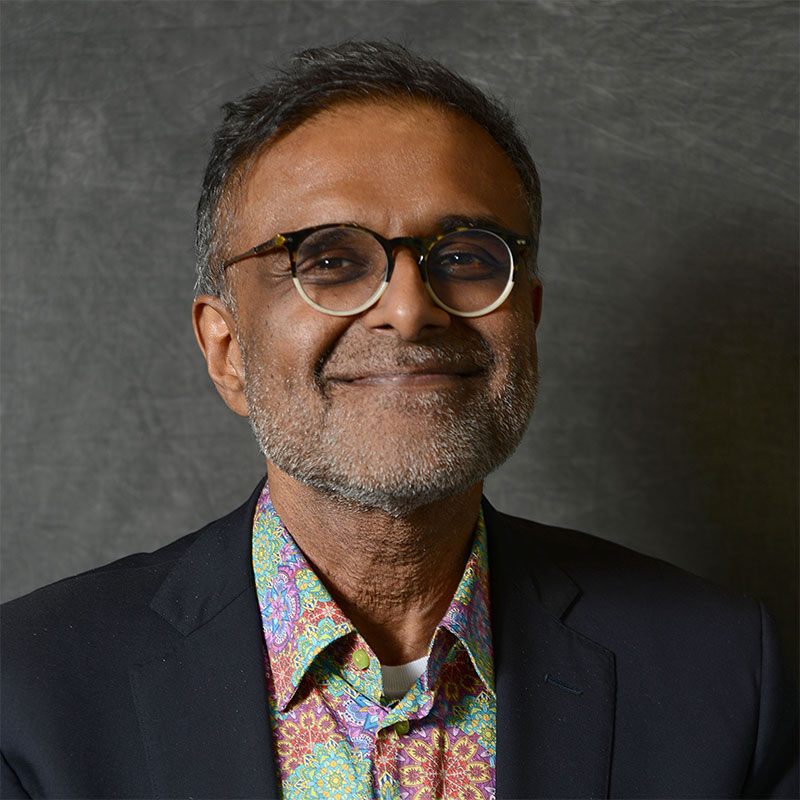
Vinay Varughese
Chief Information Officer, Weill Cornell Medicine
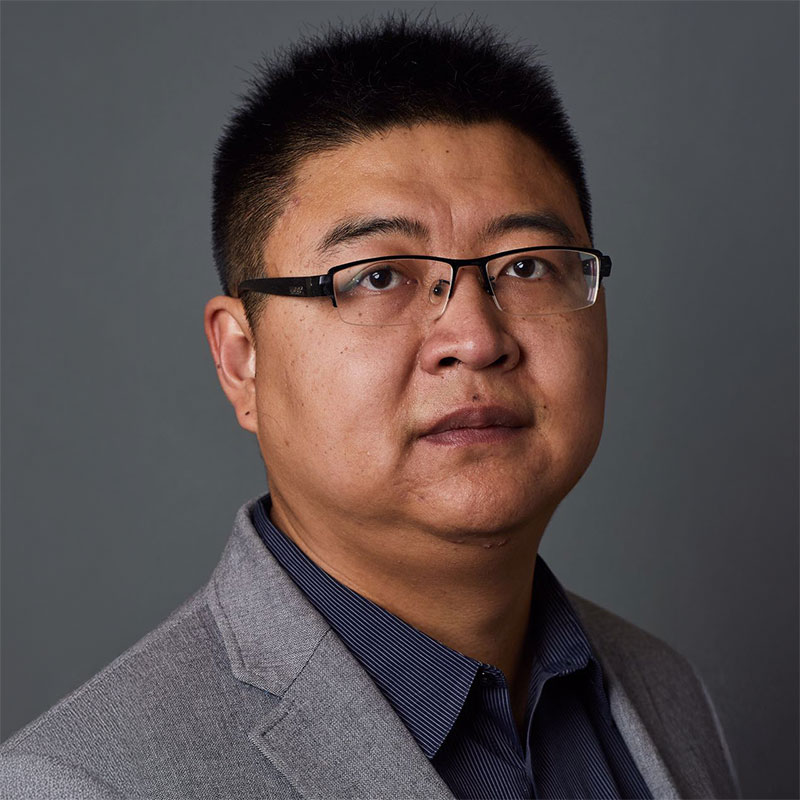
Fei Wang
Professor and Associate Dean for AI and Data Science, Weill Cornell Medicine
Ex Officio Members
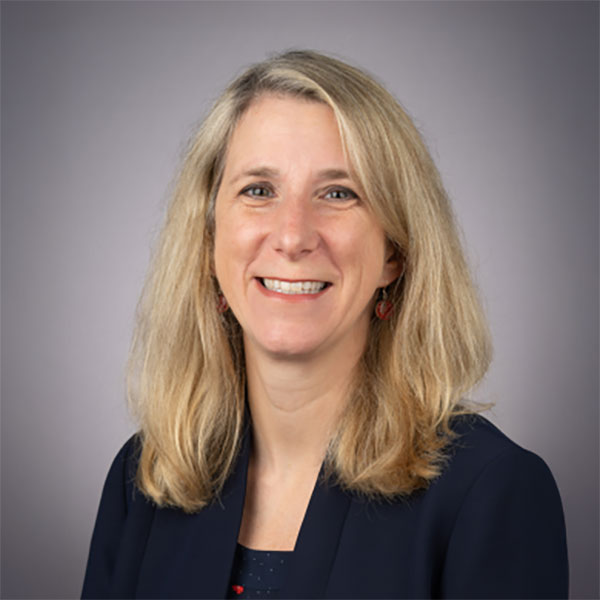
Laura Batten
Executive Director of Corporate Relations
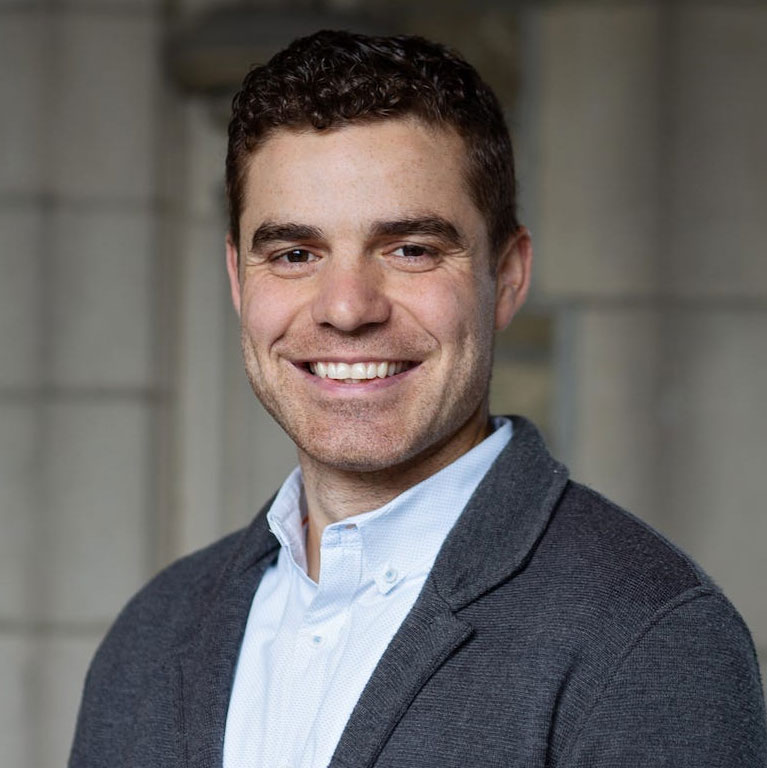
Ayham Boucher
Executive Director of AI Strategy and Innovation

Amy Cheatle
Assistant Director, AI & Learning

Melissa Osgood
Executive Director for AI Communication

Jovana Savanovic
Research Development Director, Cornell AI Initiative
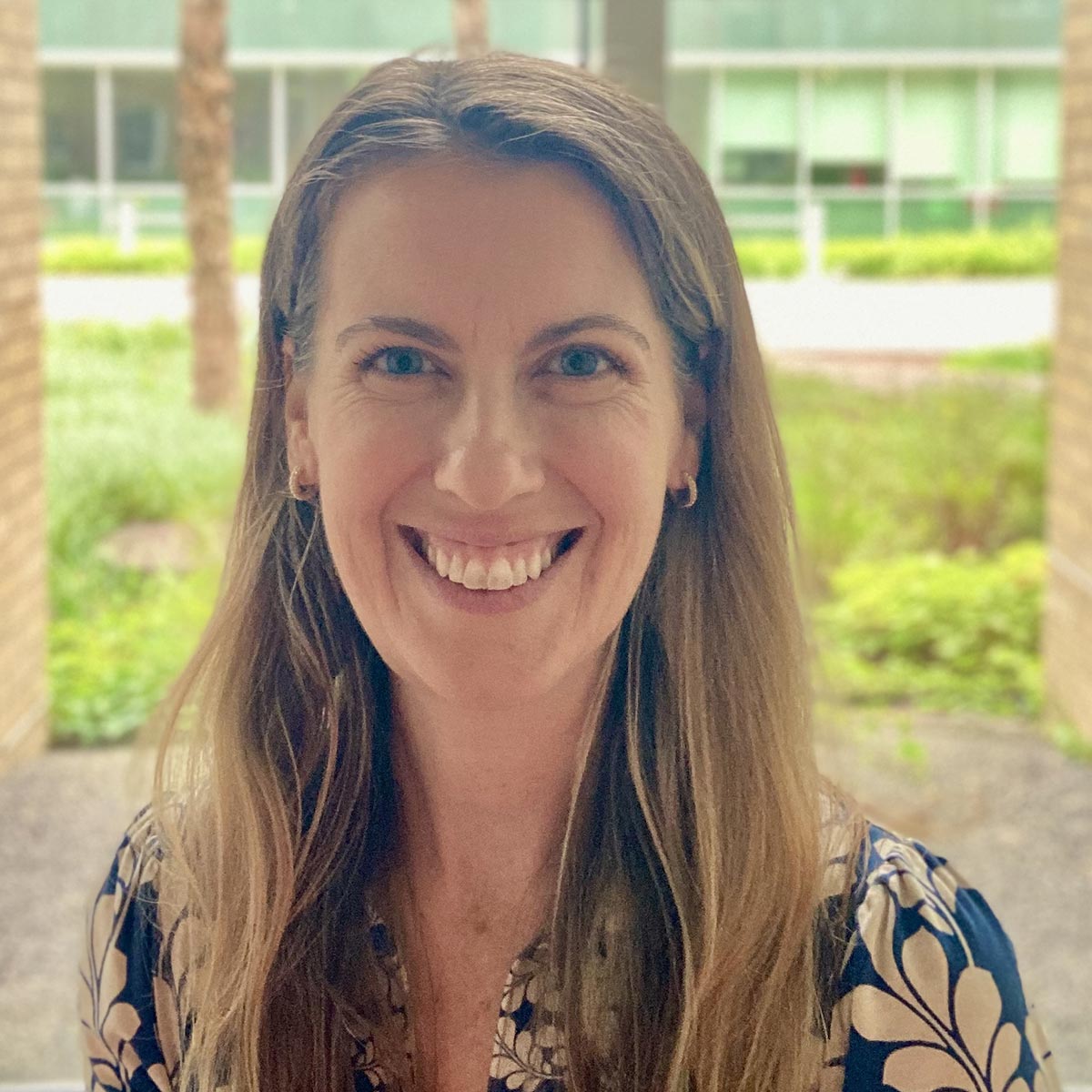
Ashley Shea
Director of AI Literacy
AI Strategy Liaisons
- Ben Balkaya (School of Continuing Education)
- Parminder Basran (Veterinary College)
- Mark Campbell (Duffield Engineering)
- Linda Croll Howell (Human Resources)
- Maria Fitzpatrick (Brooks School)
- Vishal Gaur (SC Johnson)
- Xingen Lei (CALS)
- Adam Litwin (ILR School)
- Anne Laughlin (Graduate School)
- Nicholas Maggard (Employee Assembly)
- Steve Marschner (Cornell Bowers)
- Saurabh Mehta (Human Ecology)
- Prabhakaran Nagarajan (eCornell)
- Gordon Pennycook (Faculty Senate)
- Jenny Sabin (Cornell AAP)
- Mert Sabuncu (Cornell Tech)
- Jed Stiglitz (Law School)
- Elaine L. Westbrooks (Library)
- Malte Ziewitz (A&S)
- TBD (Student Assembly)
Subject Area Committees
AI Education Working Group
- Chair: Steven Jackson, Vice-Provost for Academic Innovation and Professor, Department of Information Science and Department of Science and Technology Studies
- Thurayya Arayssi, Senior Associate Dean for Medical Education and CPD Professor of Clinical Medicine Weill Cornell Medicine-Qatar
- Jackson Bentley, Student Representative (A&S)
- Ayham Boucher, Executive Director of AI Strategy and Innovation
- Elise Carpenter, Student Representative (Information Science major, Cornell Bowers, CALS)
- Eeshaan Chaudhuri, Student Representative (Brooks School of Public Policy)
- Amy Cheatle, Assistant Director of AI & Learning, Center for Teaching Innovation (CTI)
- Michael Clarkson, Provost’s Teaching Fellow & Teaching Professor, Department of Computer Science (Cornell Bowers)
- Doug Cohen, Director of Educational Computing, Weill Cornell Medicine
- Michelle Trillium Crow, Teaching Professor and Director, English Language Support Office
- Jason Ezell, Head of Research & Learning Services, Olin & Uris Libraries
- Amy Godert, Director, Learning Strategies Center, Executive Director of Academic Student Success Programs
- David Alan Goldberg, Associate Professor, Operations Research and Information Engineering (Duffield Engineering)
- Udit Gupta, Assistant Professor, Department of Electrical and Computer Engineering (Duffield Engineering + Cornell Tech)
- Monique Harrison, Senior Research & Planning Associate, PBR Institutional Research Planning (SUBD)
- Guy Hoffman, Associate Professor, Department of Mechanical and Aerospace Engineering (Duffield Engineering)
- Tara Holm, Professor, Mathematics (A&S)
- Rebecca Joffrey, IT Innovation Officer, CIT
- Liz Karns, Teaching Professor, Department of Statistics (CornILR)
- Rene Kizilcec, Associate Professor, Department of Information Science (Bowers)
- Paul Krause, Vice Provost for External Education and Executive Director, eCornell
- Becky Lane, Associate Director for Learning Technologies, Center for Teaching Innovation
- Amie Patchen, Environment, Climate & Health Concentration Chief, Assistant Teaching Professor (Veterinary College)
- Jenny Sabin, Professor and Chair of the Department of Design Tech; Arthur L. and Isabel B. Wiesenberger Professor in Architecture (AAP)
- Liang Shen, Assistant Professor, Department of Clinical Anesthesiology, Weill Cornell Medicine
- Deirdre Gobeille Snyder, Assistant Teaching Professor, SC Johnson College of Business
- Rob Vanderlan, Executive Director, Center for Teaching Innovation
- Andrea Stevenson Won, Associate Professor, Department of Communication (CALS)
- Malte Ziewitz, Associate Professor, Department of Science and Technology Studies (A&S)
AI Research Integrity Committee
Mark Hurwitz, Committee Chair.
Academic:
- Avery August, Deputy Provost, Professor
- Natalie Bazarova, Professor and Associate Vice Provost for Research
- Lisa Fortier, James Law Professor of Surgery (Veterinary College)
- Paul Ginsparg, Professor (A&S, Cornell Bowers)
- Steven Jackson, Professor and Vice Provost for Academic Innovation
- Thorsten Joachims, Vice Provost for AI Strategy, Professor
- Wendy Ju, Professor (Cornell Bowers, Cornell Tech)
- Kristen Underhill, Associate Dean for Faculty Research and Professor (Law)
- Simeon Warner, Associate University Librarian for IT and Open Scholarship
Research Administration:
- Myles Gideon, IRB Manager
- Mark Hurwitz, Chief Research Compliance Officer
- Zach Jacques, Director, Information Services
- Lynnea Lau, Chief Research Compliance Officer (WCM)
- Sarah Ben Maamar, Associate Director for Research Services (WCM)
- Bridget MacRae, Senior Compliance Specialist
- Josh Turse, Director of Research Safety
IT:
- Ayham Boucher, Executive Director of AI Strategy and Innovation
- Bobby Edamala, Chief Information Security Officer
- Sylvie Honig, Program Manager of AI Strategy
- Tom Campion, Chief Research Informatics Officer (WCM)
OGC:
- Laura Bradford, Senior Associate General Counsel (WCM)
History of the Cornell AI Initiative
Started in 2021 by Provost Kavita Bala, then dean of the Cornell Ann S. Bowers College of Computing and Information Science, the Cornell AI Initiative was designed to help deepen opportunities in the development and application of AI within the field, and across AI‑related and AI‑influenced disciplines.
In 2026, the initiative expanded to support Cornell's growing AI efforts across research, education, operations, engagement, and clinical settings. From advancing research and understanding how AI affects learning to improving university operations, the initiative brings together researchers, educators, students, and practitioners from across the university to advance responsible innovation, accelerate discovery, and ensure that AI serves the Cornell community and society in responsible, sustainable, and human‑centered ways.
Initiatives, Institutes, and Centers
Cornell has more than 60 initiatives, institutes, and centers advancing the ethical development of artificial intelligence, reflecting the university’s commitment to leadership in this rapidly evolving field.
A Sustainable Future
AI has the potential to make important contributions to sustainability research, from climate change to food security, while also introducing new and pressing challenges to sustainability itself.